


A South African health technology start up is preparing to raise Series A funding as it expands operations across Africa and gains international attention for its approach to healthcare delivery.
Image: Gemini AI
A South African health technology start up founded by entrepreneur Zanele Motame is preparing to raise Series A funding as it expands operations across Africa and gains international attention for its approach to healthcare delivery
Motame is the founder of Welo Health, a Johannesburg based healthtech company launched in 2020.
The business uses a hybrid model that combines digital systems with in person care to improve access to healthcare for employees, families and communities.
Welo operates nationally with a network of nearly 500 nurses and affiliated doctors, providing services to large corporates and small businesses.
The company plans to expand into East Africa in 2024, according to Motame.
The start up has received funding from the Bill and Melinda Gates Foundation and a mix of international and South African venture capital firms. Motame said Welo will begin its Series A funding round next year.
South Africa’s technology sector has grown rapidly in recent years, producing some of the country’s best known companies and attracting foreign investment.
However, Black founded tech companies remain underrepresented.
Motame said access to education and early exposure to technology remain major barriers.
“We are seeing change, but the opportunity is often not presented at school level,” she said. “You can only dream big when basic needs are met.”
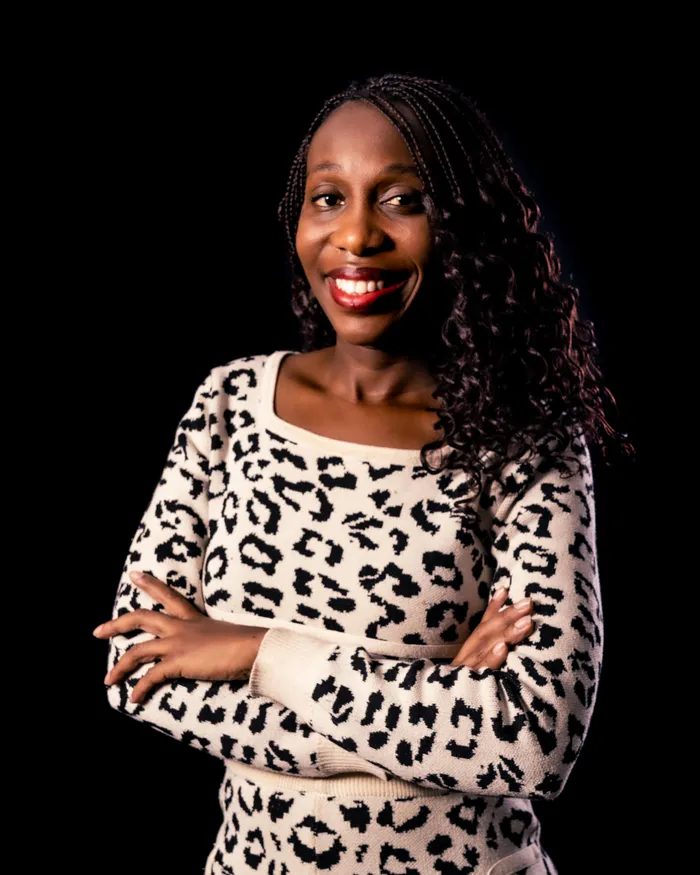
A South African health technology start up founded by entrepreneur Zanele Motame is preparing to raise Series A funding as it expands operations across Africa and gains international attention for its approach to healthcare delivery
Image: Supplied
Her comments come amid strong growth in South Africa’s digital economy.
Shoprite’s on demand delivery service Sixty60 reported R18.9 billion in sales, up 47.7 percent year on year, representing almost one tenth of the retailer’s R213.5 billion turnover in 2025.
Other South African technology founders have also drawn global attention. Zulzi founder Vutlharhi Donald Valoyi, who grew up in Limpopo, has cited overseas investment interest in African tech ventures.
Motame said international funding opportunities exist, particularly from the United States, pointing to past successes such as Mark Shuttleworth and Elon Musk, both of whom benefited from early international backing.
Before founding Welo, Motame worked in construction and mining after growing up in Rustenburg. At 21, she left South Africa for Silicon Valley with limited funds, attending start up events and taking temporary work to support herself while learning about the tech industry.
She said the experience shaped her understanding of how technology can solve systemic problems.
“Today there is no need to go to such lengths,” Motame said. “You identify a real need, digitise a solution and start building.”
Welo initially focused on workplace and home based healthcare services. It has since developed digital infrastructure to support virtual care, chronic health management and family health services.
“Healthcare does not exist in silos,” Motame said. “By 2030, healthcare will be the biggest cost for employers globally and one of the biggest productivity risks.”
Alongside Welo, Motame runs a non profit organisation, Innov8, which provides mathematics education to rural schools.
She is scheduled to speak in January at Davos Innovation Week in Switzerland, an event held alongside the World Economic Forum that brings together business leaders, policymakers and innovators from around the world.
Motame said the invitation provides Welo with access to global decision makers as it prepares for its next growth phase.
Her advice to aspiring entrepreneurs is direct.
“Start small, validate your idea with paying customers and build from there,” she said.
FAST COMPANY
