

.
Image: Supplied
Our model of work is broken. Too many professionals still spend hours commuting to congested CBDs, trading time, well-being and productivity just to sit at a desk far from home. But a global shift is underway, one that challenges where work happens and why.
Enter the 15-Minute City: an urban model where workspaces, schools, healthcare, retail and recreation are accessible within a short walk or cycle. Popularised by urbanist Carlos Moreno and adopted by cities like Paris, it’s no longer theory — it’s reshaping how people live and work.
For South Africa, with its sprawling cities and notorious traffic, the implications are profound. The pandemic has proven that we don’t need to be in a central office five days a week. At the same time, fully remote work revealed its limits. What many professionals actually want is choice: access to a high-quality, professional workspace close to home.
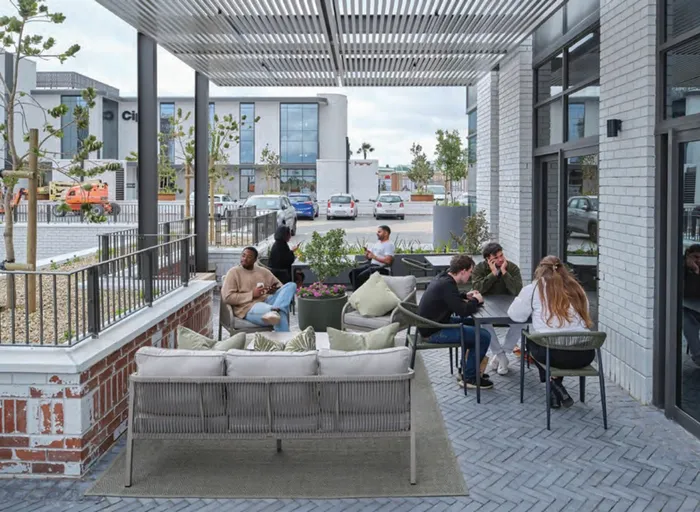
Distributed, neighbourhood-based workspaces offer that middle ground. They reduce commute stress, support collaboration, strengthen local economies and shrink the carbon footprint of the working day, without compromising on professionalism or design. Work becomes part of daily life, not a destination that consumes it.
Across nodes like Newlands, Century City, Hyde Park Corner and Ballito, this future is already taking shape. Mixed-use districts are blending offices, homes, retail and lifestyle, pointing toward a more human, sustainable way of working.
The question now isn’t whether the 15-Minute City works, it’s whether business leaders and urban planners are ready to rethink the geography of work.
Read the full piece by Keursten by clicking here!
ABOUT THE AUTHOR
Paul Keursten is the CEO of Workshop17
FAST COMPANY
