


Image: Supplied
For years, the global imagination of American innovation has been anchored by a familiar set of names. Elon Musk has pushed the boundaries of space and mobility, Jeff Bezos has redefined logistics and cloud infrastructure, Mark Zuckerberg has shaped digital identity and connection, and Warren Buffett has exemplified disciplined capital allocation. Add to that Bill Gates, Larry Page, Jensen Huang, and George Lucas, and it becomes clear why innovation in the United States has often been framed through the lens of outsized personalities and massive global impact.
But 2026 is quietly shifting that narrative. Beneath the influence of these icons, a different class of investors and innovators from the United States is gaining traction. These are builders who are often more specialized and deeply focused on solving real world problems with precision and intention. Their work may not always dominate headlines, but it is increasingly resonating across borders and influencing industries from wellness and fintech to philanthropy, media, and consumer products.
Part of what is fueling this shift is the sheer scale of innovation happening in the United States right now. New initiatives are highlighting a broader and more diverse pool of builders shaping the future, from artificial intelligence to healthcare and infrastructure. Figures like Sam Altman, whose leadership at OpenAI has accelerated the global AI race, are emblematic of this moment, where technological breakthroughs are happening alongside a surge in new company formation and entrepreneurial ambition.
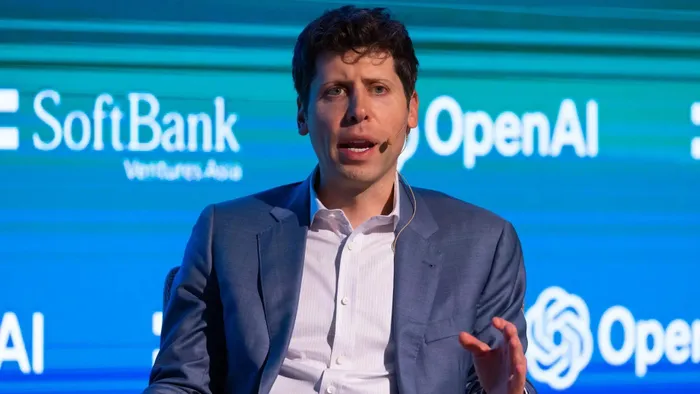
Image: Supplied
At the same time, seasoned innovators like Steve Wozniak and Sarah Friar are stepping into mentorship and investment roles through initiatives like America’s Startup, helping guide the next generation of founders. Their involvement signals something important. American innovation is no longer just about building companies. It is about building ecosystems that support continuous creation.
Within that ecosystem, a new wave of founders is emerging with a distinctly different approach. Among them is Dr. Peyman Gravori, a founder whose path into entrepreneurship is rooted in both science and a personal curiosity about health. As the driving force behind OMARA Wellness, Gravori has spent years studying how daily habits shape long term well being. His flagship innovation, a first of its kind apple cider vinegar and real lemon powder drink mix, emerged from a simple observation that many people struggle to maintain beneficial routines because they are inconvenient. “The traditional method can be inconvenient, harsh, messy, and difficult to sustain consistently,” he explains. “Omara was created to make that experience simpler, cleaner, and more approachable.”
Gravori’s approach reflects a broader shift in American wellness innovation away from trend chasing and toward sustainable behavior change. “The goal has never been to chase trends,” he says. “It has been to build a brand that helps people better understand their bodies, support their gut health, and make daily wellness feel easier to live with.” In global markets where preventative health is becoming a priority, this kind of accessible innovation is finding a receptive audience.
That same emphasis on accessibility and daily impact appears in the work of Josh Snow, an entrepreneur who has built a reputation as both a consumer health innovator and a strategic investor in modern commerce infrastructure. As the founder of Snow Oral Care, Snow transformed teeth whitening into a premium and widely accessible experience by leveraging celebrity partnerships and direct to consumer strategies. Today, his focus has expanded. Through ventures like AffiliateMarketing.com, he is investing in what he sees as the future of distribution.
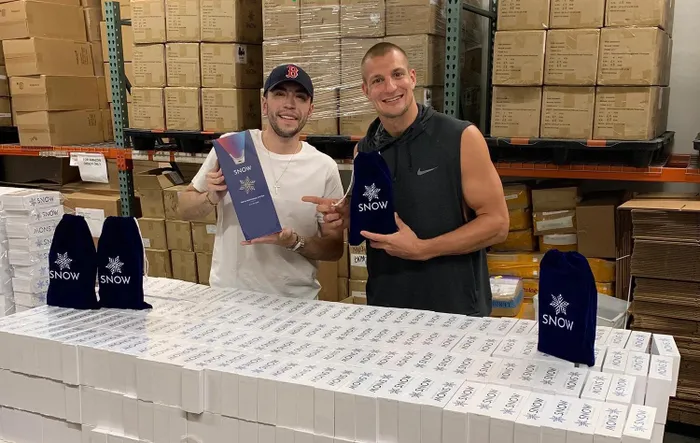
Image: Supplied
“This year, my biggest investments have been in the future of consumer health, trust driven commerce, and scalable brand infrastructure,” Snow says. His philosophy is grounded in tangible outcomes. “The best innovation improves everyday life in ways people can actually feel.” He is particularly interested in the intersection of artificial intelligence and creator led marketing, which he describes as the biggest wealth transfer in internet history. By empowering creators and founders to build sustainable businesses, Snow’s work is reshaping how value is created and shared in the digital economy.
In a very different corner of the innovation landscape, Steven Mornelli is tackling one of the most emotionally significant challenges in modern life, access to care for pets. As the founder of Waggle, a crowdfunding platform dedicated to veterinary expenses, Mornelli has built a system designed to eliminate one of the biggest pain points in charitable giving, uncertainty. With the launch of Waggle 3.0, he is taking that mission even further.
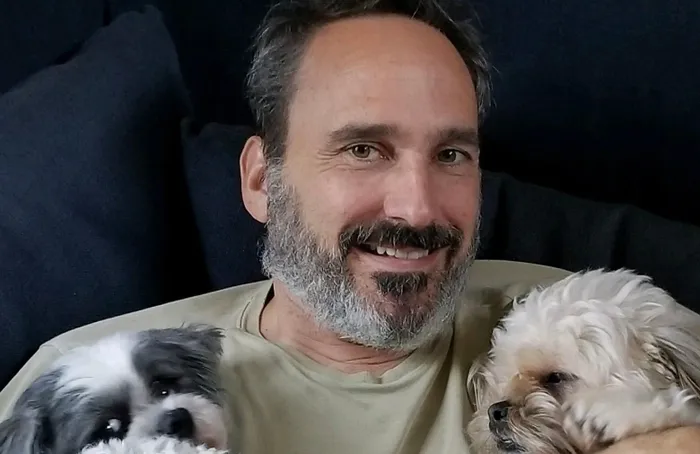
Image: Supplied
“Our biggest investments this year have been in rebuilding Waggle’s core technology, not as an incremental upgrade, but as a fundamental rethinking of how trust is built into giving,” he explains. The platform ensures that donations go directly to verified veterinary providers, creating a level of transparency that is rare in crowdfunding. “With the right infrastructure, generosity can scale in a meaningful way,” Mornelli says. The result is a system that not only helps thousands of animals receive care, but also strengthens the bond between people and their pets during moments of crisis.
While Mornelli is reimagining philanthropy, CJ McMahon is redefining how everyday investors think about wealth. As the founder and CEO of ATMInvestors, McMahon has built a business around acquiring and operating cash flowing assets like ATM networks and laundromats. His background is rooted in entrepreneurship and a deep understanding of financial independence as a lived reality.
“We’re closing in on 200 investors represented,” McMahon says, “and to us, that means nearly 200 families whose lives we are changing.” His perspective on investment goes beyond returns. “When we help someone invest into a cash flowing business, what we’re really helping create is more freedom, more time with their kids, more ability to be present in the moments that actually matter.” With millions already deployed into ATM acquisitions this year and ambitious plans to expand further, McMahon is building a model that resonates far beyond the United States.
In the wellness and performance space, Larry Puckett brings a more technical and systems oriented perspective. As a venture capitalist and CEO of Theon Global, Puckett has spent years analyzing why so many promising products fail to deliver meaningful results. His conclusion is both simple and direct. “Most industries don’t have innovation problems, they have execution problems disguised as innovation.”
Puckett’s investments this year have focused on precision wellness, particularly the science of nutrient absorption. “Products are marketed well, but they’re not engineered for performance,” he says. By developing advanced delivery systems and integrating technology platforms, his company aims to remove inefficiencies that have long been accepted as normal. “The companies that win over the next decade won’t be the ones that build the most, they will be the ones that eliminate the most friction,” he adds.
That idea of removing friction also plays out in the physical world, where Adam Copeland, known as a WWE-turned-AEW star, has built a new brand around simplicity and approachability in fitness. As the co-founder of Pure Plank, Copeland created equipment designed to make core training accessible to people of all fitness levels. His background as an athlete informs a philosophy that prioritizes gradual progress.
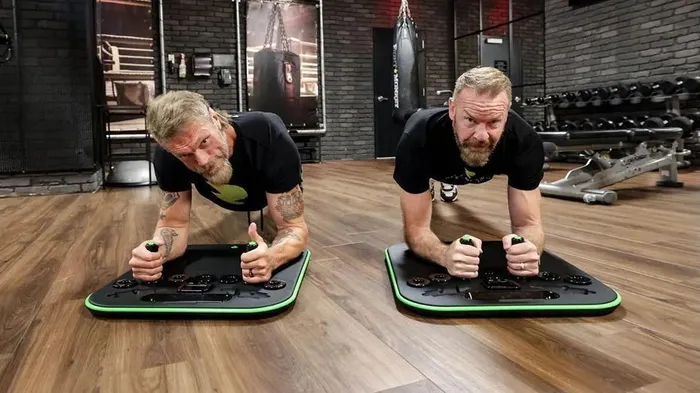
Image: Supplied
“I can only base it off of the feedback I get when people approach me to let me know it’s making a positive impact on their health,” he says. “Start at thirty seconds and work up.” The simplicity of that message is part of its strength. “Keep helping people. That’s the company motto in my books,” Copeland adds.
This new wave of innovators does not exist in isolation. It is part of a broader surge in entrepreneurship happening across the United States. Millions of new businesses are being formed at a pace that would have been unimaginable a decade ago, fueled in part by advances in artificial intelligence and digital tools that lower the barrier to entry. The result is a more democratized innovation landscape where individuals, not just institutions, can build and scale impactful ideas.
Zack Teperman, who operates at the intersection of media, branding, and early stage commercialization as the founder of ZTPR, a US-based public relations company. His work centers on how visibility functions as a form of infrastructure for emerging businesses, particularly in markets where attention can determine whether a product scales or stalls. Rather than treating PR as a traditional marketing service, he has created a guaranteed-media platform and positioned it as a mechanism for access, helping smaller companies and founders enter competitive media environments that are often difficult to navigate.
Alongside his work in communications strategy, Teperman has also moved into consumer product development through founding Licksy, the world’s first ever alcohol-infused lollipop concept that sits at the edge of experiential candy innovation. The idea reflects a broader trend in consumer markets where novelty, experience, and category blending are becoming key differentiators. While his focus is on disruption, it is also on testing how unconventional and newly innovated product formats can perform within modern retail and social driven ecosystems.
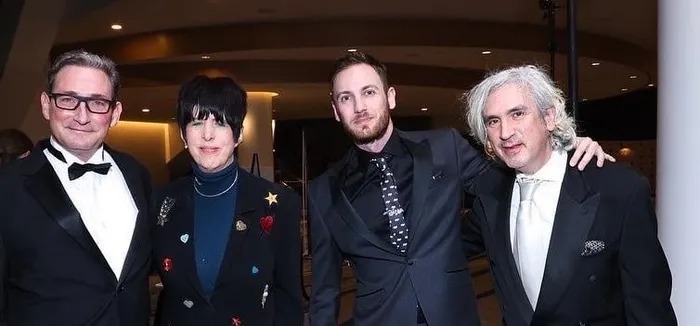
Image: Supplied
That same shift is also visible in the rise of younger founders and emerging innovators. Entrepreneurs like Eric Herrera and Jesse Evans, cofounders of Maverick X, are developing technologies that improve resource extraction while reducing environmental harm, showing how sustainability and profitability can align. Their work in green technology reflects a growing emphasis on solutions that address global challenges while creating economic value.
Similarly, the influence of next generation builders is being amplified through initiatives like America’s Startup, which provides funding and mentorship to early stage entrepreneurs across the country . These programs highlight a key truth about American innovation today. It is no longer concentrated in a few cities or industries. It is distributed, diverse, and constantly evolving.
This evolution is mirrored in a growing number of mid sized companies highlighted in Fast Company’s 2026 list of most innovative firms. Companies like Runway are advancing artificial intelligence powered creative tools, while Zipline is transforming autonomous delivery systems across continents. Figma continues to redefine collaborative design workflows, while Notion, Ramp, and Deel are reshaping productivity, finance, and global hiring with a focus on usability and efficiency.
There is also a growing emphasis on trust and transparency across these organizations. Whether it’s Waggle ensuring that every donation is traceable, Snow building brands rooted in customer confidence, or Puckett engineering products that actually perform, the underlying principle remains the same. Innovation must deliver real and verifiable value.
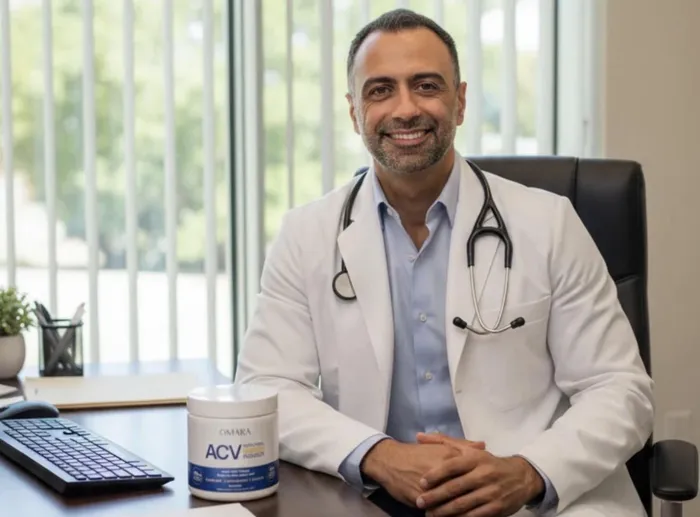
Image: Supplied
Dr. Peyman Gravori captures this sentiment when he talks about the future of OMARA Wellness. “A major priority is continuing to educate the market on what makes Omara different,” he says. “This is not just another supplement.” That insistence on differentiation through substance rather than marketing alone is increasingly becoming the standard.
Similarly, CJ McMahon’s vision extends beyond scaling assets to building a foundation for long term stability. His plans to expand into laundromats reflect a practical approach to growth. “The bigger vision is simple, continue building a portfolio of real cash flowing businesses that give our investors access to stable income and long term wealth creation,” he explains.
Steven Mornelli, looking ahead, is equally focused on scale with integrity. “We believe the future of giving will be defined by trust,” he says. With Waggle 3.0, he aims to set a new standard for how capital flows in philanthropy, one that is efficient, verifiable, and built for a more skeptical digital world.
Josh Snow is thinking about scale in terms of infrastructure, particularly as consumer behavior continues to evolve. “We are focused on scaling premium health and beauty innovation while building deeper infrastructure around creator led commerce,” he says.
Larry Puckett is doubling down on refinement. “The next phase is less about adding and more about refining what actually works,” he says.
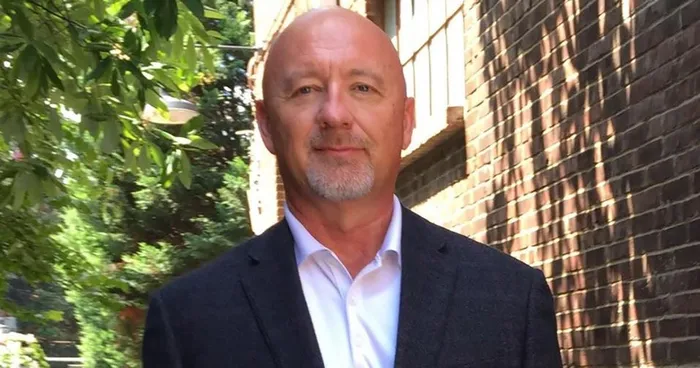
Image: Supplied
What emerges is a picture of American innovation that is more layered, more thoughtful, and more resilient than ever before. These investors and founders are not just building companies. They are building frameworks that shape how people think about health, wealth, trust, and progress.
As their influence continues to grow internationally, they are redefining what it means to innovate in America. It is no longer just about being the first or the biggest. It is about being effective, useful, and enduring.
In a world that is increasingly skeptical of hype and increasingly focused on substance, that shift may prove to be the most important innovation of all.
