

.
Image: Unsplash
As we celebrate Valentine’s Day, the atmosphere around dating tends to shift.
There’s more optimism, more conversation about relationships, and a greater willingness to open up emotionally, especially online.
That same openness, however, is increasingly being exploited by fraudsters who understand that romance, trust and technology can be a powerful combination.
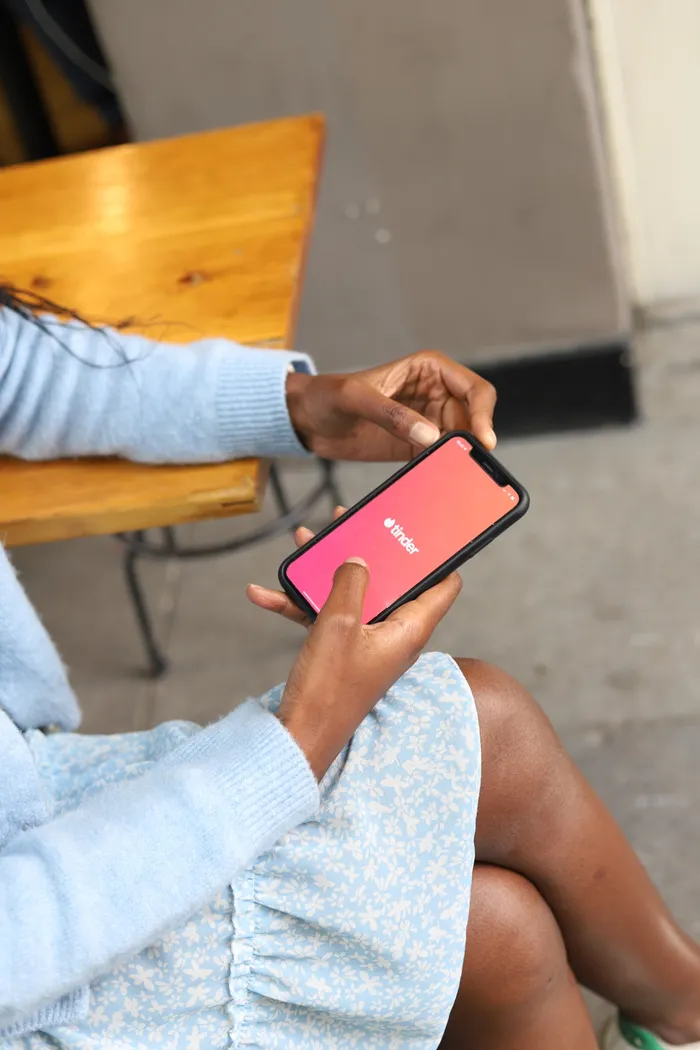
Online dating scams are not new, but the methods behind them have become more refined.
Dating and social media platforms are designed to encourage conversation and emotional connection, which makes them fertile ground for deception.
According to data from Sumsub, dating platforms are now among the more frequently targeted environments for online fraud, with fraudulent verification attempts accounting for over 6% globally.
“The danger is that these scams rarely feel like scams,” Nairah Dinah, Junior Business Development Manager for Africa at Sumsub said.
“They’re often wrapped in attention, affection and reassurance, which is exactly what people are looking for when they’re dating.”
Rather than making immediate demands, romance scammers typically invest time in building trust.
Daily messages, easy compliments and emotional availability help establish a sense of closeness. In some cases, scammers escalate quickly into what is known as “love bombing,” intense expressions of affection or commitment early in the relationship.
“It can feel flattering and exciting, particularly around Valentine’s Day,” Dinah noted.
“But when emotional intensity comes very early on, it’s often designed to fast-track trust before the other person has time to question what’s happening.”
Technology has added another layer of complexity. Advances in artificial intelligence have made it easier to create convincing fake profiles using manipulated images, voice notes or videos.
Some scams even involve impersonation of public figures, blurring the line between reality and fabrication.
“In South Africa, we’ve seen a sharp rise in deepfake-related fraud,” Dinah said.
“When someone looks real, sounds real and stays consistently engaged, people naturally let their guard down. By the time money is requested, sometimes weeks or months later the relationship already feels established.”
Recent cases illustrate how damaging this can be.
South African police have linked multiple incidents to syndicates that used romantic approaches to target victims, sometimes moving from online conversations to in-person meetings that resulted in robbery or forced financial transactions.
Internationally, victims have reported losing substantial sums after maintaining long-term online relationships built on fabricated identities and AI-generated content.
While the details differ, the underlying pattern is the same: emotional manipulation used to override caution.
Dinah emphasised that awareness is more effective than alarm.
“Fraud today doesn’t announce itself. It blends into everyday conversation,” she said. “That’s why slowing things down and keeping clear boundaries is so important.”
Common warning signs include intense emotional declarations very early on, repeated avoidance of in-person meetings or video calls, and eventual requests for money, favours or sensitive personal information, often framed as urgent personal crises.
As dating apps remain a central part of modern relationships, experts suggest that users balance openness with caution.
Genuine relationships, Dinah added, “don’t rush intimacy, don’t demand proof of loyalty, and don’t overwhelm you with affection from day one.”
In an era where technology can convincingly simulate connection, taking time may be the simplest and most effective form of self-protection.
FAST COMPANY (SA)
